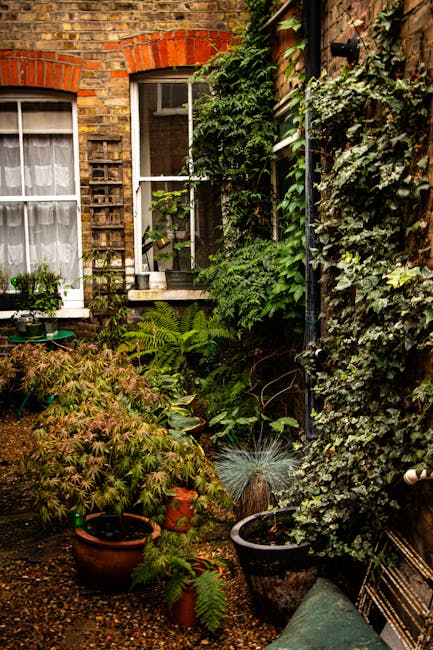
Wimbledon Village gardeners for period terrace courtyard makeovers

If you live in Wimbledon Village, you already know the charm of a period terrace courtyard is in the details: the brickwork, the proportions, the quiet privacy, the way a small outdoor space can feel like a real room in summer. The challenge, of course, is making it usable without stripping out the character that made you love it in the first place. That is where Wimbledon Village gardeners for period terrace courtyard makeovers come in. Done well, a courtyard makeover can soften hard edges, improve drainage, create flow, and make even the smallest space feel calm, elegant, and properly lived in.
This guide breaks down how thoughtful courtyard redesign works, what to expect from a professional process, and which choices usually deliver the best long-term results. You will find practical design steps, common mistakes to avoid, comparison advice, and a realistic checklist you can use before starting. A tidy courtyard is one thing. A courtyard that feels timeless and easy to care for? Much better.
Why Wimbledon Village gardeners for period terrace courtyard makeovers Matters
Period terrace courtyards are not blank slates. They are usually compact, enclosed, and visually connected to the house in a way that modern gardens often are not. That means every decision counts. One wrong paving colour, an awkward planter, or a planting scheme that outgrows its space can make the whole courtyard feel busy rather than beautiful. Wimbledon Village gardeners for period terrace courtyard makeovers understand this balance: preserve the architectural feel, then improve the space so it works in everyday life.
In practical terms, these makeovers matter because courtyards tend to suffer from a familiar mix of problems. Shade. Poor drainage. Old surfaces that lift or crack. Thin planting pockets. A lack of privacy. And, let's be honest, a bit of neglected clutter that builds up quietly over the years. A good design response doesn't fight the space; it works with it.
That often means choosing materials and planting that suit a heritage setting. London weather can be unkind too, especially in winter when a courtyard becomes slippery and damp. So a makeover is not only about appearance. It is about safety, comfort, and ease of maintenance as well.
Expert summary: The best courtyard makeovers in Wimbledon Village are usually the ones that look as if they have always belonged there. They feel settled, not newly dropped in. That is the real trick.
It also matters commercially and emotionally. If you are improving a period property, the outside space can influence how the whole home is experienced. Open the kitchen doors on a bright morning and the courtyard should feel like an extension of the room, not a forgotten side passage. That sense of continuity is worth a lot.
How Wimbledon Village gardeners for period terrace courtyard makeovers Works
A strong courtyard makeover normally starts with observation, not digging. Good gardeners and landscapers will look at sun path, shade, water runoff, existing brickwork, access points, and how you actually use the space. Do you want morning coffee, a place for pots, a small dining area, or simply a view from inside that feels restful? Those answers shape the whole scheme.
Next comes the design concept. For period terraces, the layout often relies on clean geometry, restrained planting, and materials that sit naturally with older architecture. That may include reclaimed or sympathetic paving, brick edging, timber details, or soft planting that lifts the courtyard without making it feel cluttered. A truly successful layout usually has one clear focal point and a sense of rhythm. Not too much drama. The courtyard does not need a fireworks display.
From there, the practical work begins. That can involve:
- clearing existing overgrowth or tired materials
- repairing or replacing damaged hard landscaping
- improving soil conditions or raised beds
- adjusting drainage where standing water is an issue
- planting for shade, structure, and seasonal interest
- adding finishing touches such as pots, screening, or subtle lighting
If the project is more extensive, it may sit alongside wider services such as landscaping support, landscape gardening, or specialist hardscape additions like decking services. For courtyards that need a full reset first, garden clearance can be a sensible starting point. Truth be told, sometimes the best design decision is simply getting back to a clean, usable base.
The process should also include a maintenance plan. Courtyard gardens are small, which is lovely, but they can go from tidy to chaotic quickly if pruning, watering, and surface care are ignored. A professional plan usually builds in the reality of day-to-day life rather than assuming a perfect lifestyle that, well, nobody actually has.
Key Benefits and Practical Advantages
The obvious benefit is visual improvement, but a good makeover delivers much more than that. It can make a home feel calmer, easier to use, and more valuable in everyday terms. Here are the advantages that matter most in practice.
- Better use of limited space: Courtyards are often small, so every square metre needs a job. Good design removes dead zones.
- Stronger period character: The right materials and planting reinforce the feel of an older terrace instead of competing with it.
- Improved privacy: Screen planting, trellis, or layered structure can make a courtyard feel less exposed.
- Easier maintenance: A planned layout is usually easier to keep clean and attractive than a patchwork of improvised fixes.
- Better drainage and safety: Reworked levels and surfaces can reduce puddling and slipping.
- More usable outdoor living: A courtyard that works well can become a breakfast spot, a reading corner, or a place to entertain.
There is also a less obvious benefit: confidence. Many homeowners delay courtyard work because the space feels awkward or hard to solve. Once the structure is sorted, the whole garden becomes easier to manage. You stop avoiding the view from the back door. That is a real change, even if it sounds a little simple.
Where ongoing upkeep matters, services like garden maintenance, hedge trimming, and lawn mowing may support adjacent front, side, or shared garden areas, keeping the whole property coherent. Courtyards rarely exist in isolation, after all.
Who This Is For and When It Makes Sense
This kind of project is a good fit for homeowners who want their outdoor space to feel polished but not overdesigned. If you live in a period terrace and your courtyard currently feels dark, tired, or simply not very inviting, a makeover makes sense. The same goes if your space has become mostly storage, or if you are constantly stepping around pots, cracked slabs, or self-seeded plants that have taken over with surprising enthusiasm.
It also makes sense if you are preparing a property for sale or rental and want the first impression to feel strong. Buyers often respond quickly to a courtyard that looks clean, coherent, and easy to picture themselves using. They may not say it out loud, but they notice.
On the other hand, if your courtyard is structurally sound, already well planted, and only needs a few seasonal adjustments, a full makeover may be unnecessary. Sometimes the right answer is targeted improvement rather than a big redesign. A professional gardener should be honest about that. If they are not, that is a bit of a warning sign.
Homeowners often ask whether a makeover is worthwhile in a shady courtyard. The answer is usually yes, provided the design is adapted to the conditions. Shade can actually produce some of the most elegant results when handled correctly. Fewer sun-lovers, more texture, more leaf shape, more restraint. Quite nice, really.
Step-by-Step Guidance
1. Assess the space properly
Start with the basics: size, light, drainage, access, privacy, and existing materials. Measure what is there now. Note where water sits after rain. Watch where the sun falls in the morning and late afternoon. A courtyard makeover that ignores these realities usually ends up looking good in photos and awkward in real life.
2. Decide what the courtyard needs to do
Ask one central question: what is this space for? A seating area? A planting-led view? A transition from house to garden? A quiet zone? The answer should drive everything else. Without that clarity, the project can become a scatter of nice ideas with no clear purpose.
3. Set a style direction
Period terraces usually benefit from a restrained palette. Think warm stone, brick, slate, timber, and planting that feels layered rather than flashy. The goal is harmony with the house, not a hard contrast that screams "look at me". For many properties, softer heritage-inspired details work better than strong modern statements.
4. Sort structural issues first
Before any planting, deal with uneven surfaces, broken edging, poor water flow, or unstable features. It is frustrating to design around a problem you should really be fixing. Also, nobody enjoys redoing a finished area because a hidden issue was skipped.
5. Build the layout
This is where paths, seating, planting zones, and focal points are positioned. In a small courtyard, a simple structure is often best: one main circulation line, one main seating location, and a few well-placed features. Too many little corners can make the space feel chopped up.
6. Choose planting that suits the conditions
Courtyards in Wimbledon Village often have partial shade, reflected heat from walls, or sheltered pockets. That means plant choice needs to be practical, not just attractive. Good planting schemes usually combine structure, seasonal change, and reliable evergreen bones. It should still look decent in February, not only in June.
7. Add finishes and maintenance planning
Once the main work is complete, finish with containers, lighting if appropriate, tidy edging, and a maintenance routine. A clean finish makes a small courtyard feel expensive, even if the material list is modest. Finally, agree how the space will be looked after. A lovely courtyard with no care plan becomes a future problem. Simple as that.
Expert Tips for Better Results
Here are the choices that tend to separate a merely nice courtyard from one that feels properly considered.
- Keep the palette tight: Two or three main materials usually look more elegant than five or six competing ones.
- Use vertical space well: Trellis, wall climbers, or layered planting can add depth without using precious floor area.
- Lean on texture: In a small courtyard, texture often matters more than colour. Leaves, stone, brick, and bark all contribute.
- Leave breathing room: Don't fill every gap. Negative space helps the eye settle.
- Think through the view from inside: The courtyard should look good from the kitchen or sitting room as well as when you stand in it.
- Plan for real maintenance levels: If you only want low effort, say so early. The best design is one you can actually live with.
One small, very practical tip: stand in the courtyard at different times of day before deciding on final placement. A space that feels bright at 10am may feel shadowy and enclosed by 4pm. That little check can save you from an annoying mistake later. Been there, seen it, moved the pot three times.
If you want the finished result to stay looking sharp, a maintenance agreement can help. Regular visits, light pruning, seasonal tidy-ups, and surface checks stop problems from becoming expensive. For longer-term care, it is worth looking at the broader services overview so the courtyard design and aftercare are aligned from the start.
Common Mistakes to Avoid
Courtyard makeovers often go wrong in the same few ways, and most of them are avoidable.
- Choosing plants that outgrow the space: What looks charming in a nursery pot can become a nuisance in eighteen months.
- Ignoring drainage: A beautiful surface that holds water is not much use on a wet Monday morning.
- Overcrowding the design: Small spaces need discipline. If everything is a feature, nothing is.
- Using materials that clash with the house: Period properties usually reward restraint and good proportions.
- Forgetting maintenance access: Plan how you will clean, prune, water, and move around the space.
- Starting with decoration before structure: Cushions are lovely, but they should come after the basics.
Another mistake is treating the courtyard as separate from the rest of the property. If the front garden, side return, and rear courtyard all have wildly different styles, the home can feel disconnected. You do not need sameness everywhere, but there should be a sense of belonging. A family resemblance, if you like.
And yes, sometimes people get carried away with trend-led features. A strong design fad may look exciting for a season, but a period terrace usually asks for something calmer and more enduring. That does not mean boring. It means thoughtful.
Tools, Resources and Recommendations
You do not need to turn into a professional landscaper to understand what makes a courtyard project run well, but it helps to know which tools and checks matter. For planning, measure the space carefully and photograph it in different light conditions. For maintenance, small hand tools, secateurs, a stiff broom, and a hose or watering can go a long way. Nothing glamorous. Just useful.
For the actual makeover, the most helpful resources are usually a clear brief, a materials shortlist, and a realistic maintenance plan. If a gardener or landscaper is suggesting changes, ask how each one supports the way you want to use the courtyard. A recommendation should always link back to a problem it solves.
When choosing who to work with, it is sensible to review how a company describes its approach, practical standards, and customer protections. Pages such as about us, insurance and safety, and health and safety policy can help you understand how a service is run behind the scenes. That matters, even if it is not the most exciting part of the process.
If you are comparing costs or want to understand how quoting works, it is also sensible to review pricing and quotes. Transparent pricing is one of the simplest signs that you are dealing with a professional operation. Surprise charges have a way of ruining the mood, don't they?
Law, Compliance, Standards, or Best Practice
For most courtyard makeover projects, the main compliance issues are practical rather than dramatic. The exact requirements can depend on the scope of the work, the property type, leasehold considerations, and whether any trees, walls, or historic features are affected. It is always wise to check the specifics before major work starts, especially in a conservation-sensitive setting or on a period property where original features matter.
Good practice usually includes:
- using suitable materials for external use and local weather conditions
- making sure surfaces are safe and reasonably slip-resistant where needed
- handling waste responsibly and separating reusable materials where possible
- protecting access routes and neighbouring properties during work
- ensuring any tree work is approached carefully and appropriately
If a makeover involves larger shrubs or trees close to a terrace courtyard, specialist input may be needed. In those cases, a service like tree lopping and removal may be relevant, but only where genuinely necessary and handled with care. Not every tree issue is solved by cutting hard. Sometimes it needs a lighter touch, or simply better placement around it.
Waste handling and sustainability matter too. Reusing salvageable materials, composting green waste where appropriate, and keeping transport and disposal efficient are sensible expectations. For a company-level overview of this approach, recycling and sustainability can be a useful reference point.
There are also operational basics that should not be overlooked. Clear terms, fair payment procedures, and a transparent complaints route all build trust. You may not need them, hopefully, but it is reassuring to know they exist. For that reason, pages such as payment and security, terms and conditions, and complaints procedure are part of a properly run service rather than an afterthought.
Options, Methods, or Comparison Table
There is no single correct way to transform a period terrace courtyard. The best method depends on the property, budget, and how much change you want. Here is a simple comparison to help you think it through.
| Approach | Best for | Main strengths | Possible limitations |
|---|---|---|---|
| Light refresh | Courtyards that are already functional but look tired | Fast, lower disruption, keeps most existing elements | Won't fix deeper layout or drainage problems |
| Partial redesign | Spaces with one or two obvious issues | Good balance of cost and impact, more tailored outcome | Requires clear priorities or it can become half-finished |
| Full makeover | Courtyards with structural problems, poor flow, or no clear identity | Most transformative, best for long-term usability | More planning, more time, usually more budget |
| Maintenance-led improvement | Courtyards that need consistency rather than rebuilding | Good for keeping character while improving presentation | Less dramatic visual change at first |
If you are unsure which route is right, ask yourself a simple question: is the issue mainly visual, mainly practical, or both? That answer often tells you whether a light refresh is enough or whether you need a more substantial rethink. Often, the honest answer is "a bit of both", which is perfectly normal.
For many Wimbledon Village homes, a partial redesign is the sweet spot. It respects the period setting, improves the way the courtyard functions, and keeps the work proportionate to the space. Sensible, not showy. Usually the best kind of result.
Case Study or Real-World Example
Imagine a compact period terrace courtyard with old, discoloured paving, a narrow planting strip, and one tired corner that had become a dumping spot for spare pots. The space was not unusable, exactly, but it did nothing for the house. From inside, it looked flat and a bit gloomy. On damp days, it also stayed wetter than it should. Classic small-courtyard problems.
The makeover approach was straightforward. The old clutter was removed, the surface levels were checked, and the layout was simplified. A cleaner paving pattern replaced the mismatched patches. Instead of filling every edge, the design kept one open circulation zone and used layered planting to soften the walls. Evergreen structure gave the courtyard shape through winter, while a few carefully chosen seasonal plants added movement and freshness later on.
The real improvement was not one flashy feature. It was the collective effect of many small decisions done properly. The space became easier to walk through, more pleasant to see from the house, and much easier to maintain. There was no dramatic "before and after" trickery here. Just good, grounded work. And that is often what makes the biggest difference.
If the courtyard had needed more extensive surfacing or structural reworking, the project could have expanded into broader landscaping or included dedicated decking services for a different seating zone. The point is that the solution should be shaped by the property, not by a template.
Practical Checklist
Use this checklist before starting a courtyard makeover. It keeps the project grounded.
- Have you measured the courtyard accurately?
- Do you know where the sun and shade fall during the day?
- Is drainage a problem after rain?
- Have you decided what the space must do?
- Do the proposed materials suit a period terrace?
- Are the planting choices realistic for the light levels?
- Will the finished design be easy to clean and maintain?
- Is there enough room for seating, walking, and access?
- Do you understand what will be cleared, kept, or repaired?
- Have you reviewed pricing, timelines, and aftercare expectations?
- Is waste handling and sustainability part of the plan?
- Do you know who to contact if something goes wrong?
If you can answer most of those clearly, you are in a good place. If not, slow down a little. Rushing a small courtyard project usually creates the kind of problems that are annoying to fix later, and nobody needs more of those.
Conclusion
Wimbledon Village gardeners for period terrace courtyard makeovers are really about more than decoration. They help turn awkward, underused outdoor corners into spaces that feel right for the home, right for the architecture, and right for everyday life. When the design respects the period character, solves practical issues, and stays honest about maintenance, the result can be quietly transformative.
The best courtyard makeovers are measured, thoughtful, and a little bit understated. They do not shout. They settle in beautifully. That is what makes them feel timeless.
If you are ready to explore options, compare approaches, and plan a courtyard that works as well as it looks, take the next step with confidence. Small spaces can do a lot when they are handled properly.
Get a free quote today and see how much you can save.
Frequently Asked Questions
What makes Wimbledon Village gardeners for period terrace courtyard makeovers different from ordinary garden work?
They focus on compact, character-led spaces where architecture matters as much as planting. A period terrace courtyard needs a design that complements the house, handles shade and drainage well, and avoids looking overbuilt.
How long does a courtyard makeover usually take?
It depends on the scale of work. A light refresh may be fairly quick, while a full redesign with clearance, surfacing, planting, and finishing details takes longer. Access, weather, and material lead times can also affect the schedule.
Is a small courtyard worth redesigning?
Yes, often more than people expect. Small spaces can have a big impact because they are seen from inside the home every day. A well-planned courtyard can improve both enjoyment and the overall feel of the property.
What plants work best in a shady courtyard?
Shady courtyards usually suit plants that tolerate lower light and benefit from shelter. The key is to combine structure, texture, and seasonal interest rather than chasing bright, sun-loving plants that will struggle.
Do I need a full landscape redesign or just maintenance?
If the layout already works and the main issue is tidiness, seasonal care may be enough. If the space feels awkward, has drainage problems, or no longer suits how you live, a redesign is probably the better option.
Can a courtyard makeover help with drainage problems?
Yes, if the work includes checking levels, surface materials, and runoff patterns. Drainage should be addressed early, because it affects both safety and how the courtyard ages over time.
How do I keep a period courtyard looking authentic?
Use restrained materials, avoid overcrowding the space, and choose planting that feels suited to the home's age and proportions. Authenticity is often about balance rather than strict historic imitation.
What should I ask a gardener before starting the project?
Ask how they would approach the layout, what they recommend for drainage, how much maintenance the final scheme will need, and how the design suits a period terrace. Clear answers usually mean better planning.
Are low-maintenance courtyard makeovers possible?
Absolutely. Low-maintenance does not mean no maintenance, but it does mean fewer fussy plants, simpler layouts, and materials that are easier to care for. That is a sensible goal for many busy homeowners.
Will a courtyard makeover increase the value of my home?
It can improve the presentation and perceived value of the property, especially when the courtyard is a visible part of the home's first impression. Exact value changes vary, so it is best to think in terms of usability, appeal, and overall condition.
What if my courtyard is very overlooked by neighbours?
Screen planting, careful use of heights, and subtle boundary treatments can improve privacy without making the space feel closed in. The trick is to soften views, not block everything off.
How do I know if a gardening company is trustworthy?
Look for clear communication, sensible planning, transparent pricing, and proper information about safety, payment, and business practices. Pages like about us, insurance and safety, pricing and quotes, and terms and conditions can help you judge how the service is run.
For homeowners in Wimbledon Village, the best results usually come from a patient, well-considered approach. Get the structure right, respect the period setting, and keep the space practical. The rest tends to follow, and rather nicely too.